
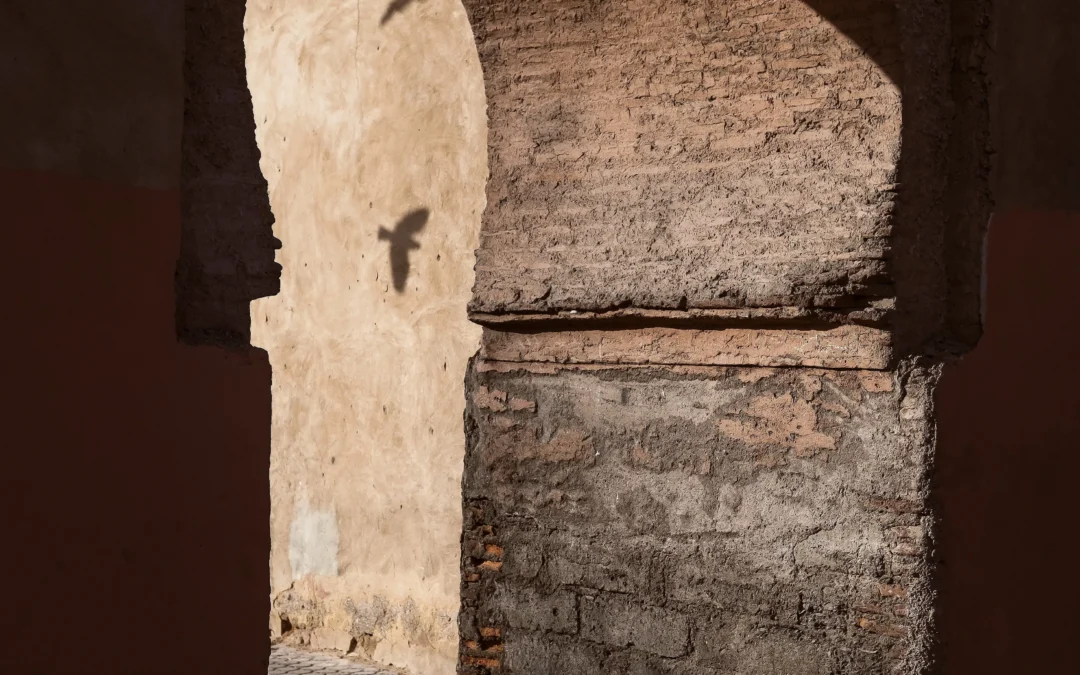
YOUR ASSIGNMENT
Spend time observing your surroundings without immediately taking photos. The goal is to train your eye to notice the photographic potential in everyday scenes. Look for interesting light, lines, textures, colors, shapes, movement, or moments that could become compelling images.
Your task is to:
• Walk or sit in a chosen location and study the scene carefully
• Identify 5–10 photographic possibilities in that scene — note angles, framing, timing, or subjects
• Capture at least 3 images based on your observations, highlighting the potential you noticed
• Reflect on why certain elements attracted your attention and how you composed your shot
This exercise strengthens your ability to anticipate, frame, and interpret scenes before pressing the shutter.
ENCOURAGING CONSIDERATION
– Slow down and immerse yourself. Look beyond obvious subjects — a shadow, a reflection, a line of light, a textured wall — these can become the focus.
– Notice patterns and contrasts. Repetition, symmetry, and color can transform mundane scenes into striking compositions.
– Mentally frame before shooting. Imagine how light, shadow, and subjects could be arranged in the final image before raising the camera.
– Anticipate movement. Watch how people, animals, or objects interact with the environment. Predictable rhythms create opportunities for dynamic shots.
– Experiment with perspective. Shift your viewpoint, get low or high, and try unconventional angles to reveal hidden potential.
– Record ideas. You can use notes, sketches, or mental bookmarks to remember promising compositions, then return to capture them at the right moment.
• Train regularly. The more you practice seeing potential without immediately shooting, the stronger your visual intuition becomes.