YOUR ASSIGNMENT
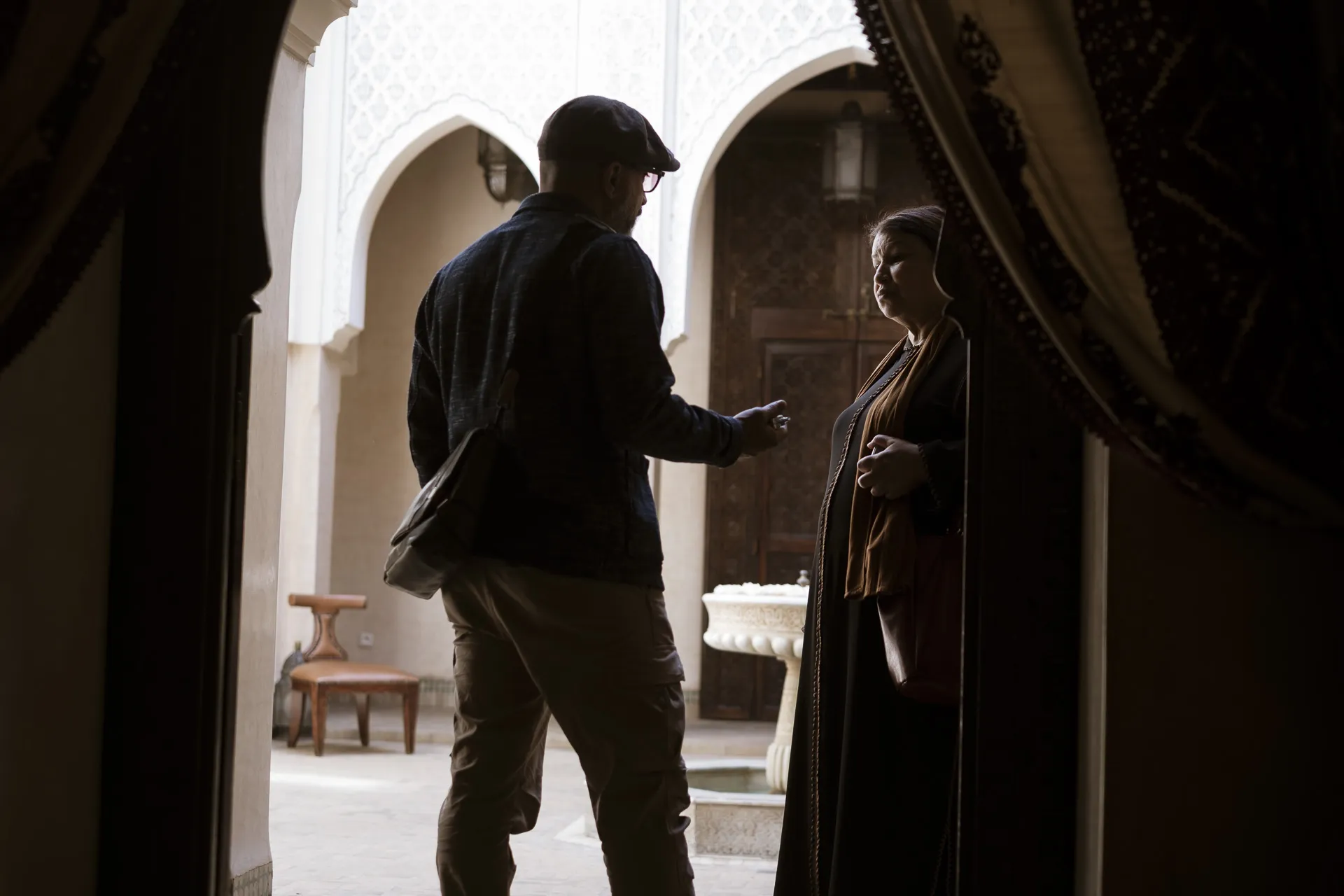
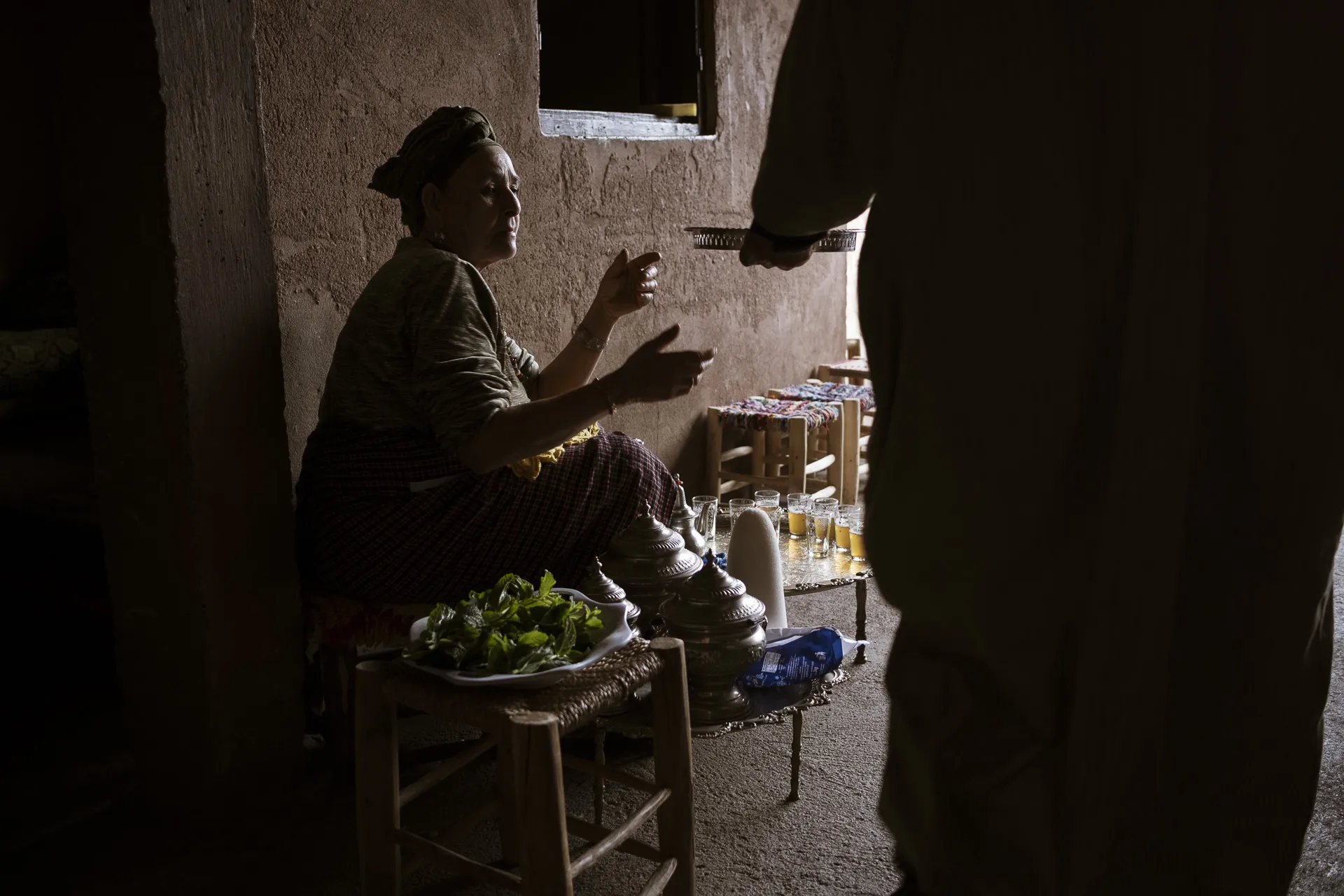
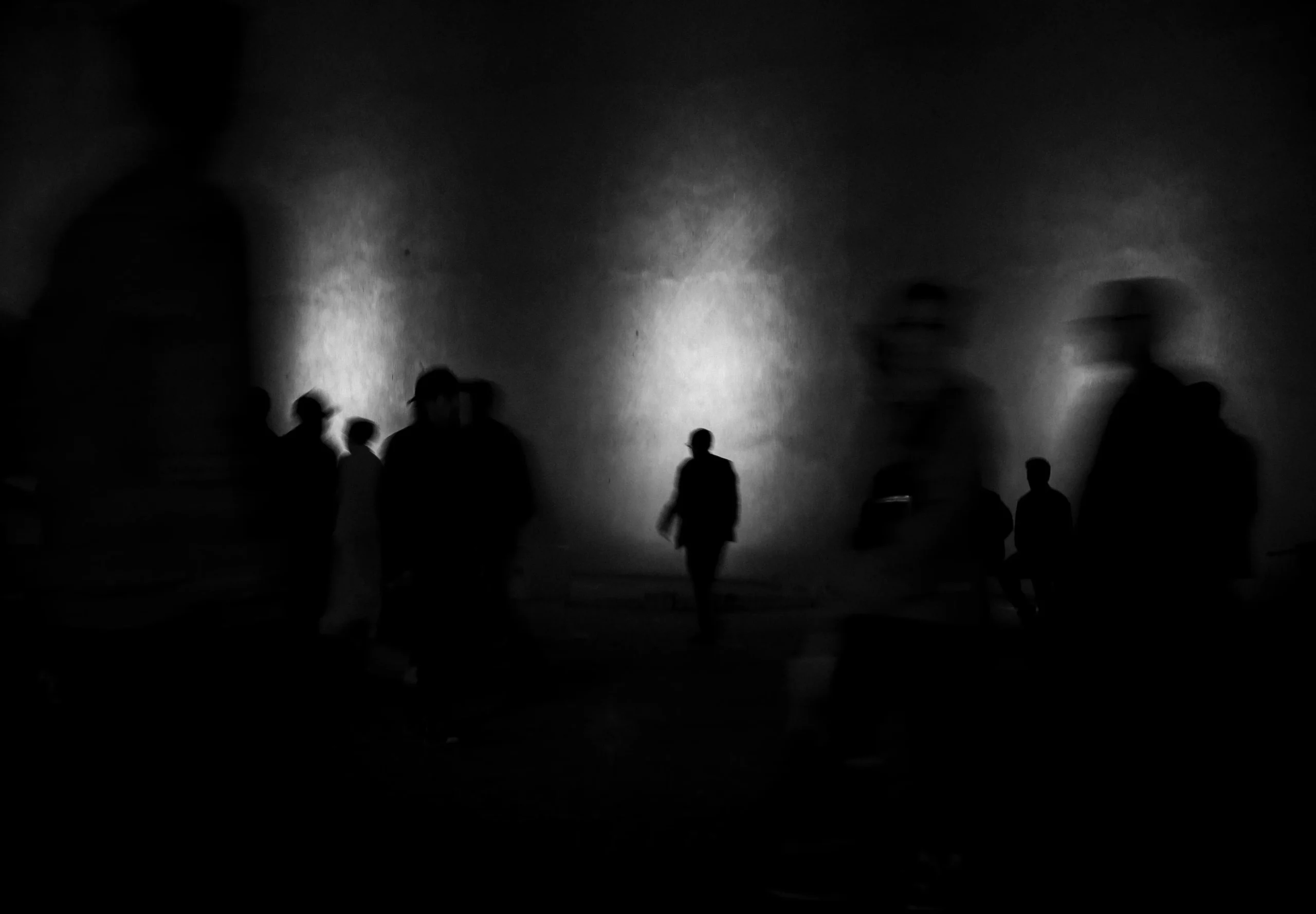
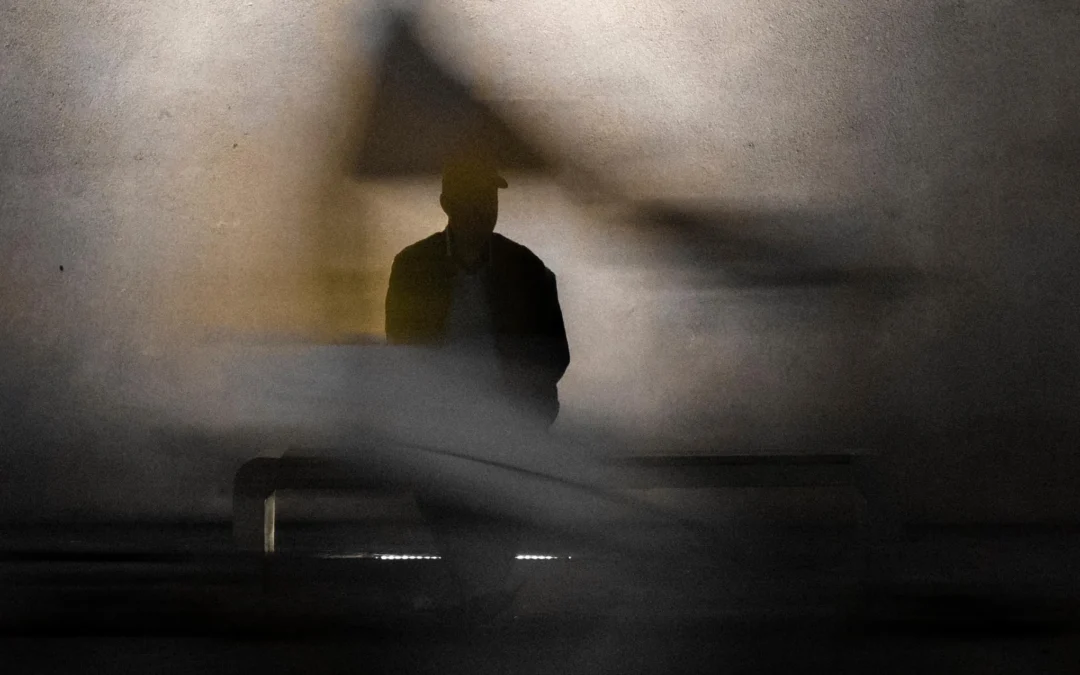
Choose a location and a time of day where people’s shadows fall clearly on walls, floors, or other surfaces. Your entire series of 6–10 photographs should focus on shadows as your subject, rather than the people themselves.
Your task is to:
• Observe where light falls to create distinct shadows
• Capture the movement, gestures, and interactions of the shadows
• Experiment with composition, scale, and perspective
• Turn ordinary passersby into dynamic, abstract shapes
• Use the shadows to tell a story — alone or in groups, static or moving
This assignment teaches you to see beyond the physical subject, capturing essence, form, and movement through shadows.
ENCOURAGING CONSIDERATION
– Scout your spot and timing. Early morning or late afternoon often produces long, well-defined shadows. Narrow streets, walls, or smooth floors make ideal surfaces.
– Focus on shapes and rhythm. Shadows exaggerate gestures, elongate legs, and create interesting juxtapositions. Look for patterns and repetition.
– Use perspective creatively. Shoot from low angles, sideways, or slightly above to distort or emphasize shapes. Try framing only part of the shadow for abstraction.
– Contrast is key. Meter for the lit surface so the shadows turn dark and graphic. High-contrast scenes make shadows stand out boldly.
– Incorporate environment subtly. Background texture (tiles, walls, pavement) can enhance the composition, but avoid distracting elements that compete with the shadows.
– Anticipate movement. Watch pedestrians or cyclists and predict how their shadows will fall. Timing allows you to capture fleeting, dynamic moments.
• Think abstractly. Shadows can become shapes, symbols, or visual metaphors. Let them tell the story without needing the actual person in focus.