YOUR ASSIGNMENT
Create a small reportage about a traditional craftsman in the Medina. Your goal is to visually narrate his environment, his work, his tools, his gestures, and the essence of his craft.
Your sequence of images should include:
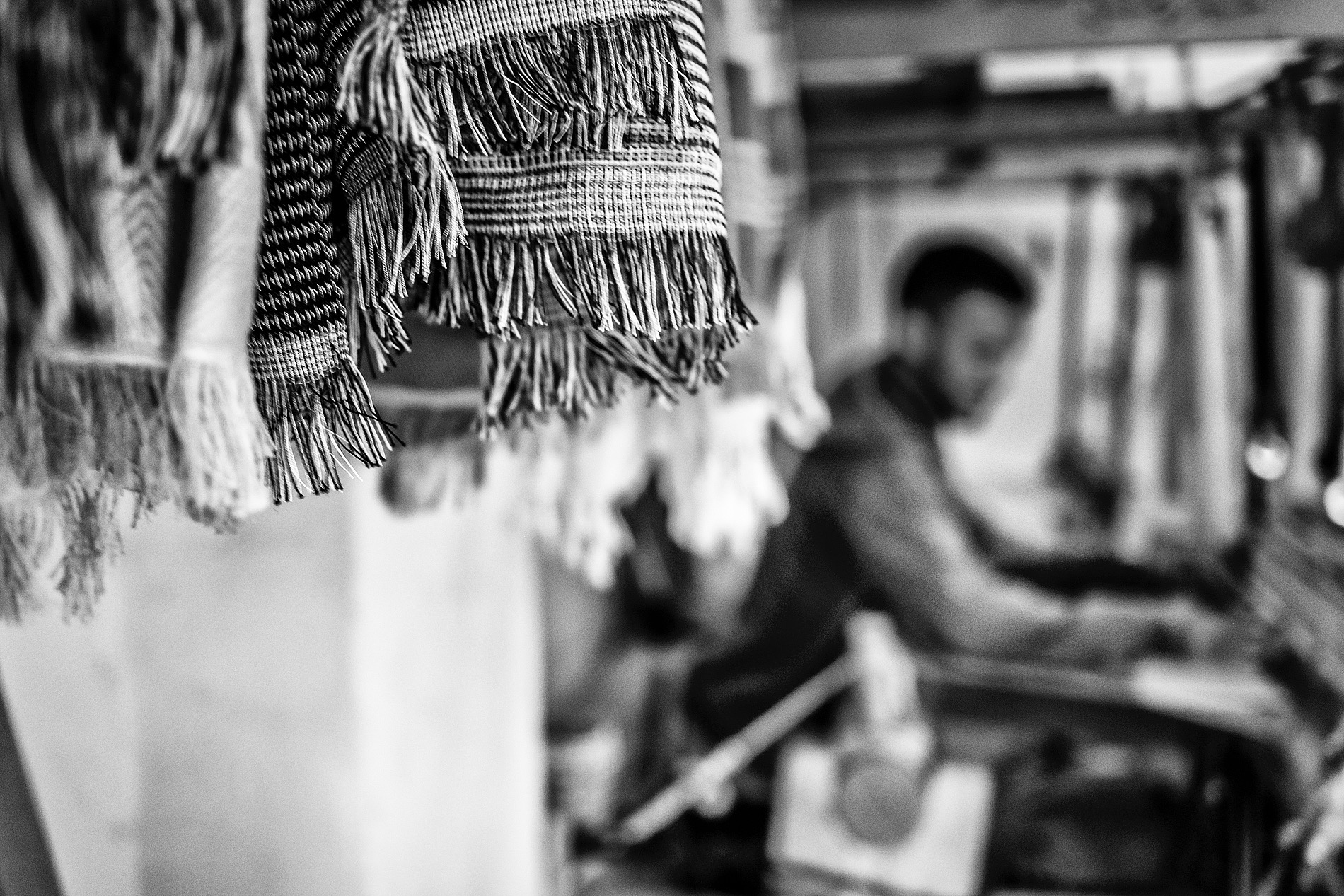
• A wide or establishing shot of the workshop to show context and environment
• The craftsman in his own space, interacting naturally with his work
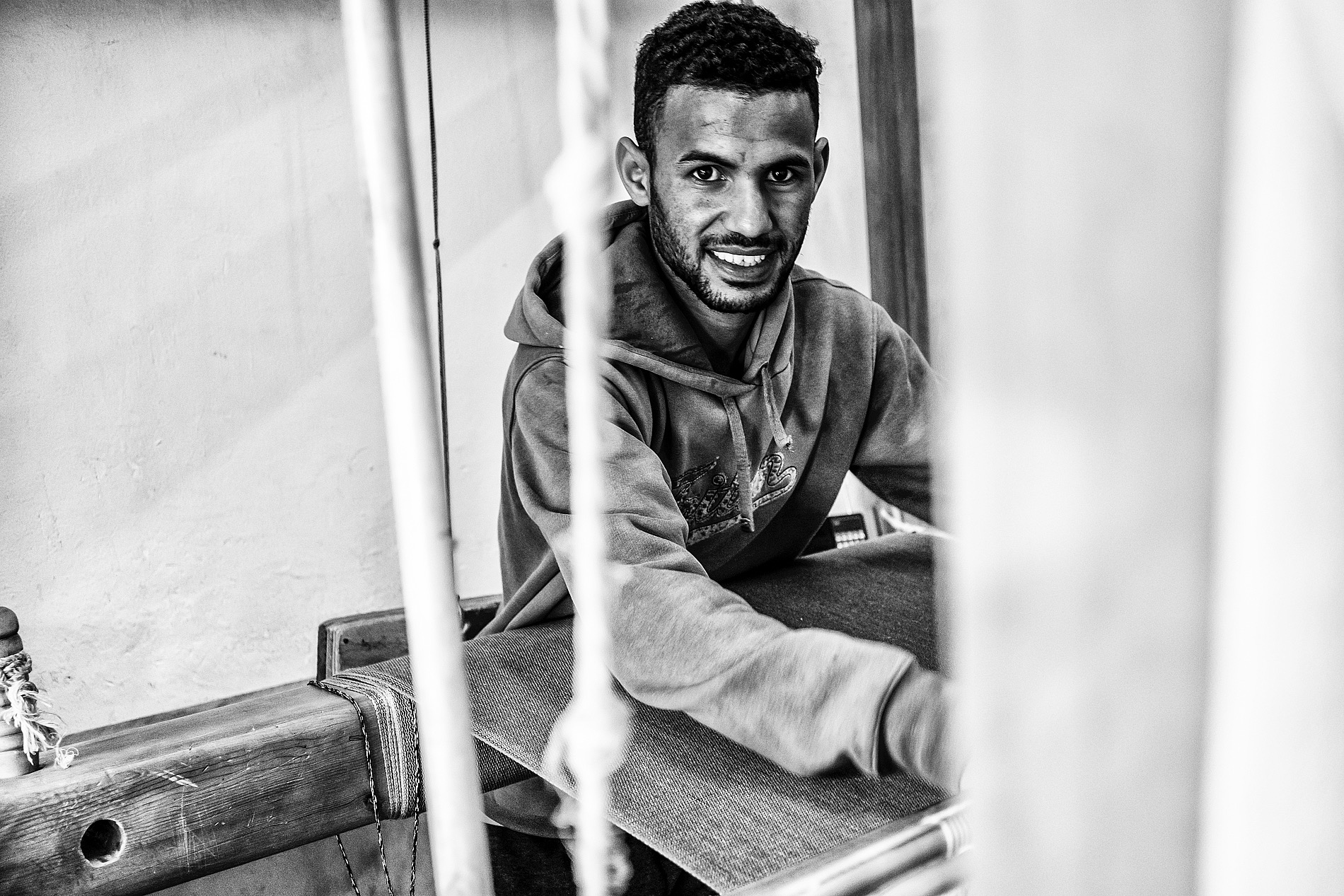
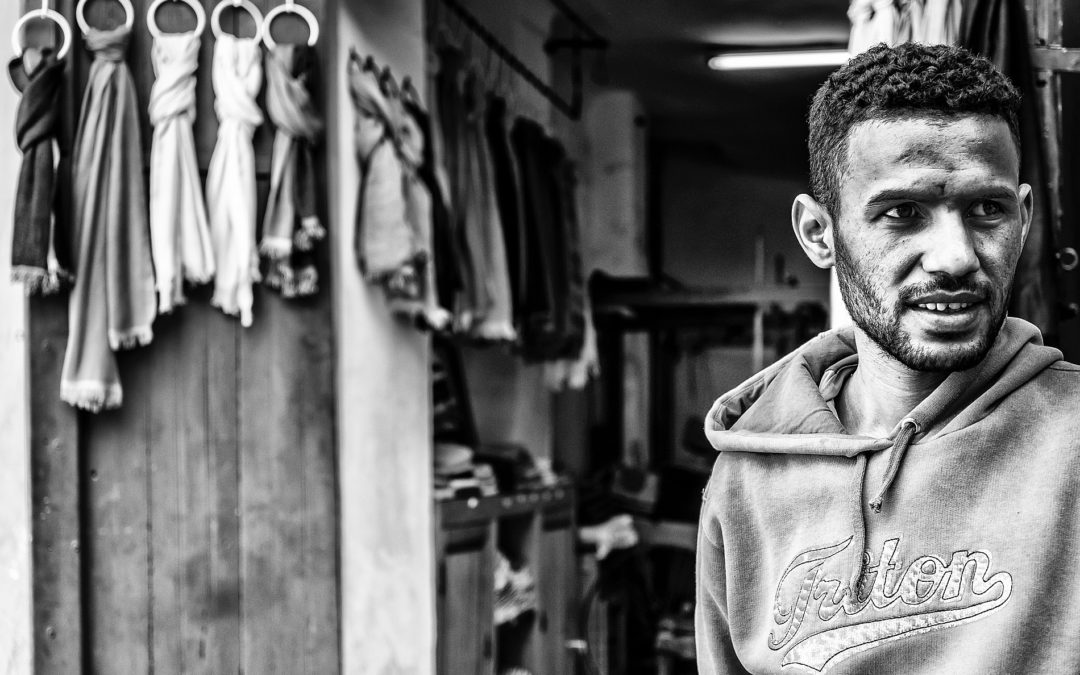
• A portrait that conveys character and presence
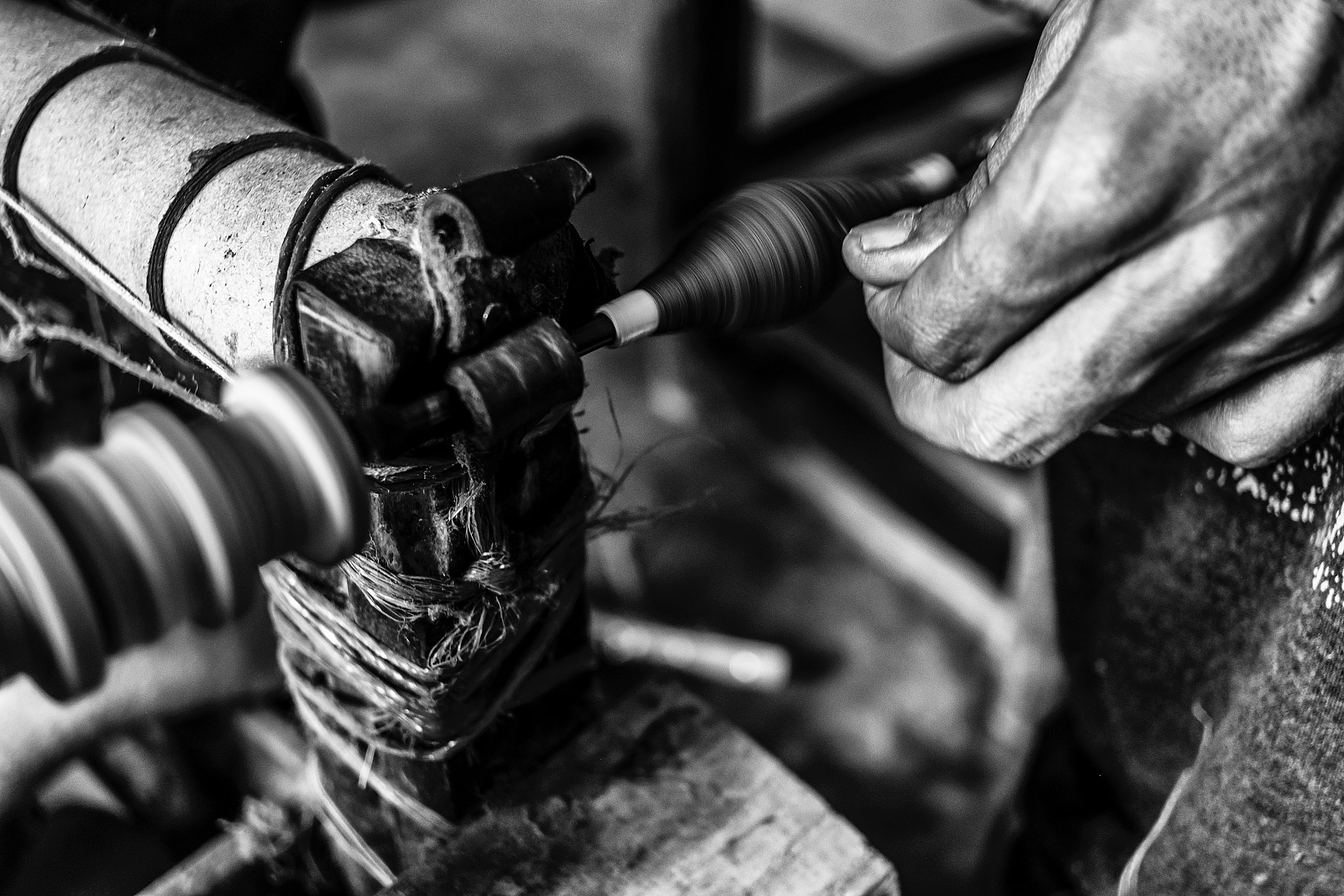
• Close-ups of hands and tools, focusing on texture, movement, precision
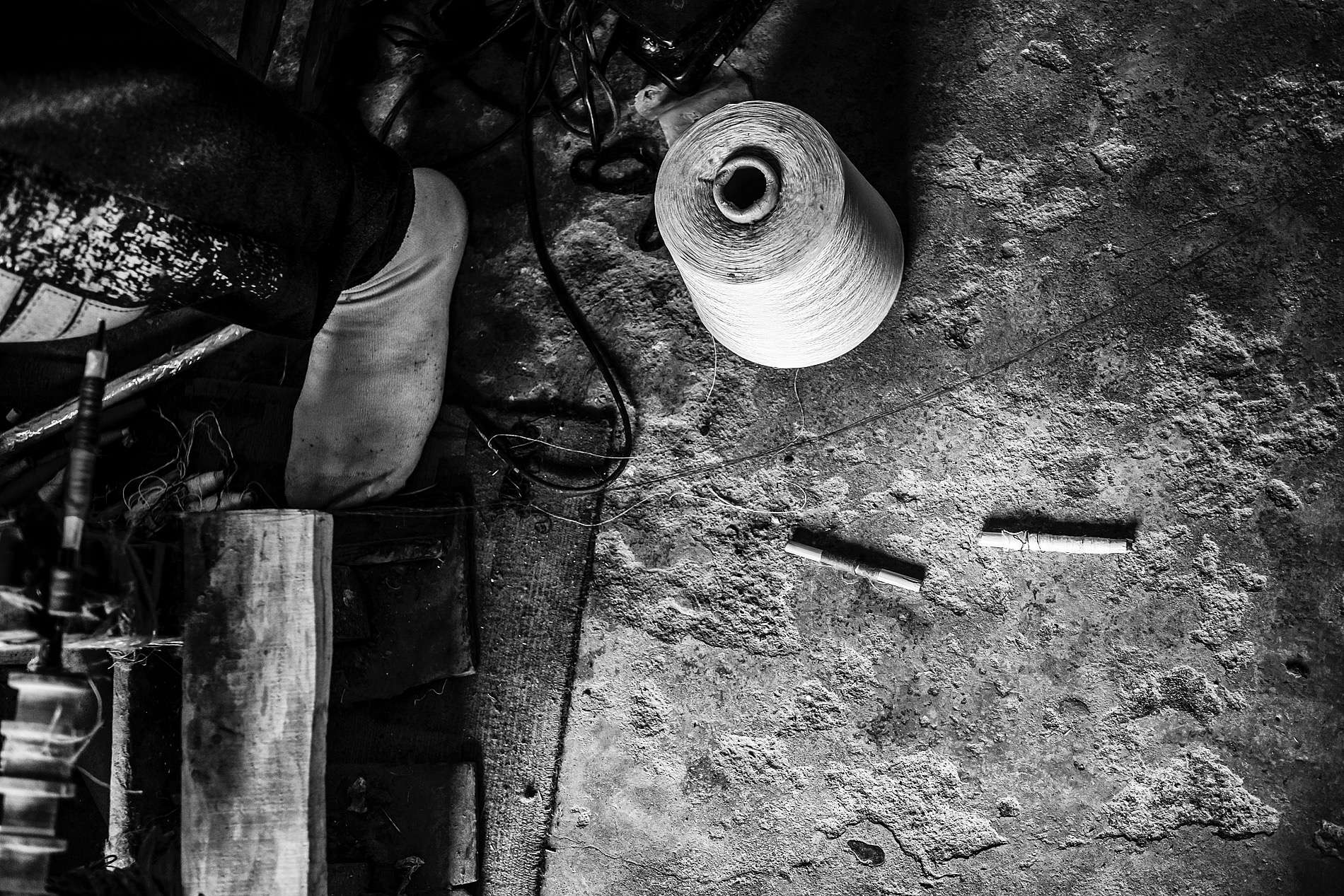
• A still life of tools, materials, and details that connect to his craft
• Different perspectives and angles (high/low angle, over-the-shoulder, ground-level, looking up…)
• At least one sequence showing the action and process of creating the product
• A moment that captures emotion, concentration, or interaction
• A shot of the finished product, ideally surrounded by raw materials or tools to show the full journey
Your final selection should feel like a visual story — a beginning (where we are), a middle (how he works), and an end (what he creates).
ENCOURAGING CONSIDERATION
– Enter the space slowly and let your eyes adjust. Workshops in the Medina often have mixed or dramatic lighting — shafts of sunlight, dim corners, reflections from metal or dust in the air. Use this to enhance mood rather than fight it.
– Start wide, move closer, then even closer. Establish the environment first, then progressively reveal details. This builds a layered story with rhythm.
– Observe before shooting. Watch how the craftsman moves, which gestures repeat, where the most expressive moments happen. Anticipation leads to stronger images.
– Embrace the angles. Try shooting from above to show the organization of tools, from low angles to give dignity and strength, or from behind shoulders to create intimacy and a sense of being “inside” the scene.
– Let hands be the heroes. Hands tell history — scars, pressure, precision. Lean into textures, imperfections, and movement. A slow shutter can show the rhythm of work; a fast shutter can freeze concentration.
– Use still lifes to breathe. After moments of action, introduce calm: neatly arranged tools, raw materials, a half-finished piece. Stillness helps the story feel complete.
– Seek authenticity rather than performance. Encourage the artisan to simply continue working naturally. Avoid overly posed scenes; let the real energy of the workshop guide the images.
– Think in sequences. Each image should stand alone, but also make sense as part of a visual narrative — the viewer should feel they have visited the workshop and met the craftsman through your lens.